
$1.3B
External music-economy output benchmark
Music Columbus/TXP reported approximately $1.3 billion in music-economy output in Columbus.
That is a city-specific external benchmark, not a forecast or result for Vineland.
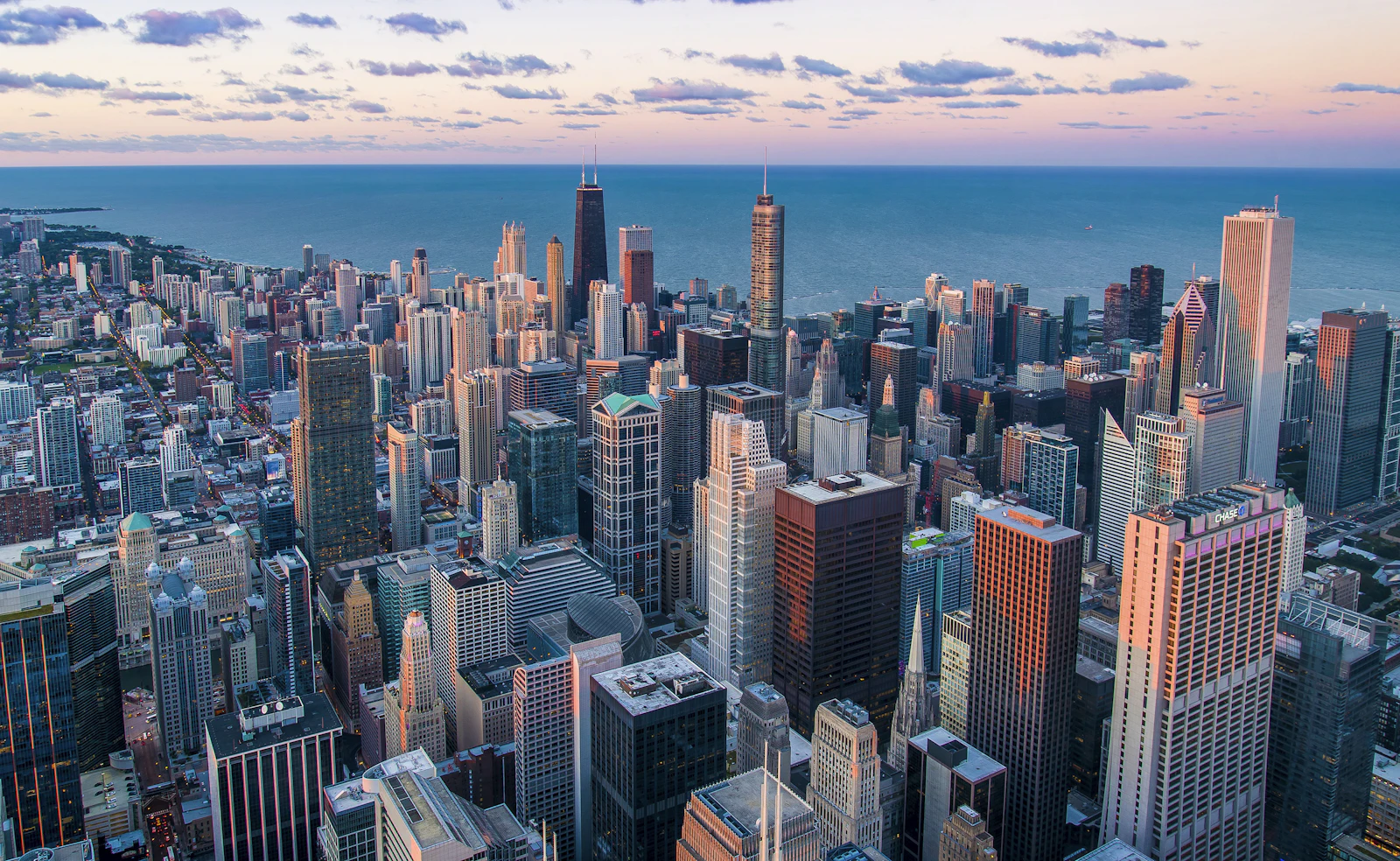
Community Revitalization
Help turn creative talent into local jobs, businesses, commercial activity, and neighborhoods with reasons for talent to stay and build.
A professional creative facility brings artists, engineers, students, clients, events, equipment purchases, and local spending into one place.
That activity can move through the businesses and institutions around it—but only when the facility is connected to training, entrepreneurship, partnerships, and public access.
LOUDmusic’s community model treats creative infrastructure as an economic anchor, not a promise of automatic neighborhood change.
The current Vineland Studio Hub remains capital-gated. Its jobs, revenue, utilization, and neighborhood outcomes are targets to measure after operation—not achievements to claim now.
Many communities have talent but lack the nearby facilities, customers, capital, and industry relationships that let talent become local work.
When artists and entrepreneurs have to leave to record, train, build a business, or find a professional network, local spending and opportunity leave with them.
LOUDmusic is working toward a hub model that puts studios, workforce development, creator businesses, events, and community access in the same economic ecosystem.
Fund a creative anchor.Creative infrastructure affects more than artists. It can bring new activity to commercial corridors, create jobs, support small businesses, increase foot traffic, attract investment, and strengthen the identity of a neighborhood.
Music Columbus/TXP reported approximately $1.3 billion in music-economy output in Columbus.
That is a city-specific external benchmark, not a forecast or result for Vineland.
The evidence corpus cites a 1.82× multiplier from a comparable city economic assessment.
Multipliers are location- and model-specific; LOUDmusic cannot transfer this figure to Vineland without a local model.
The Vineland Studio Hub strategy proposes five direct jobs in Year 1.
This is a pro forma target contingent on site control, capitalization, and operation—not a job count already achieved.
The program portfolio proposes a hub capable of anchoring 500 participants by 2030.
The hub is capital-gated and has no verified operating participants, hours, or revenue in the reviewed corpus.
A creative district is not created by a sign. It grows when facilities, businesses, workforce, local spending, and partnerships reinforce one another.
A professional facility can host recording, production, training, events, and industry activity in one accessible place.
The Vineland Studio Hub is proposed and capital-gated; funding would make site control and operation possible.
Proposed: operational by end of 2026Creators and local operators need revenue systems, customers, capital, and a place to build.
The pathway is designed to help creative businesses formalize, hire, purchase services, and participate in the local economic base.
Deferred incubator: build after artist-income dataA creative district needs people who can work inside its studios, businesses, events, and technology systems.
The planned workforce pilot proposes 25 participants and 10 paid assistant/runner placements in its first year.
Planned first-year pilot: 25 participants; 10 placementsCities, developers, workforce organizations, funders, and industry partners can connect creative infrastructure to jobs, commercial activity, and public access.
The partnership model is an operating plan; signed local contracts and neighborhood results are still future evidence.
Seeking partners; no completed hub outcome yetFunding a creative anchor does not only pay for a room where music gets made. It helps put the pieces around the room that can turn activity into local opportunity.
The goal is a functioning economic ecosystem: access, skills, jobs, businesses, partners, and a measurement plan that shows what the hub actually creates.
Communities do not become creative districts because someone calls them one. They become them when people have somewhere to work, learn, meet, build a business, spend money, and return to.
LOUDmusic’s proposed hub model connects creative space to workforce training, creator businesses, local jobs, public access, and economic measurement. The hub is not yet an operating outcome; funding makes the test possible.
For cities, foundations, developers, institutions, industry partners, and individual supporters, this is a tangible way to invest in the infrastructure around creative talent.
Fund a studio anchor. Build local businesses. Train the workforce. Activate a commercial corridor.
Help creative talent build locally instead of having to leave to find the next opportunity.
The Community Studio Hours Bank converts partner funding into structured access, technical support, partner referrals, documented activity, and a dated outcome report.
Review the community access brief